- by foxnews
- 18 Mar 2026
How thieves use new credit card numbers before you receive them
The CyberGuy provides tips to protect yourself from criminals who use various methods to make unauthorized transactions using your account information.
- by foxnews
- 11 Apr 2025
- in technology
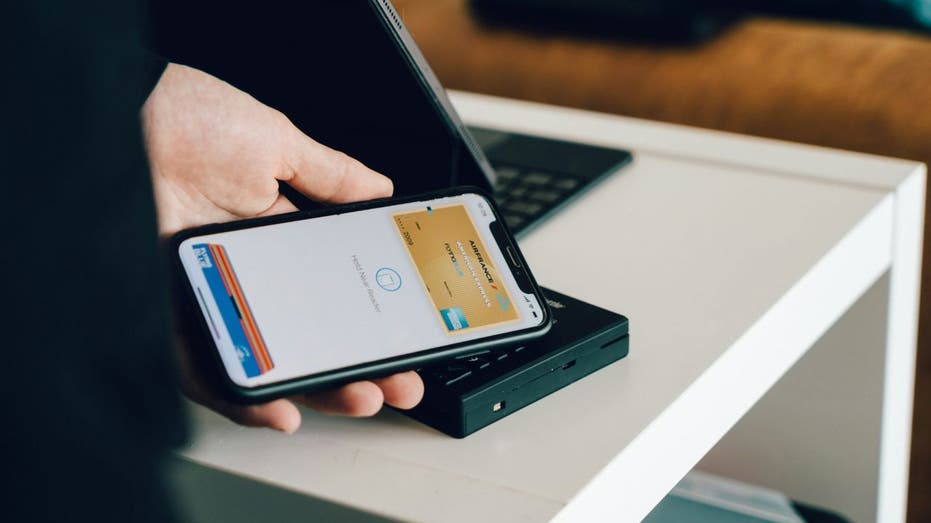
While it sounds surprising and unsettling, it's increasingly common due to the rise of digital credit card fraud. Criminals no longer need physical cards to make unauthorized transactions, thanks to methods such as data breaches, phishing schemes and card-not-present fraud.
Here's how these schemes work and what steps you should take immediately to protect yourself.
Even if a new credit card hasn't arrived yet, it may already be vulnerable. In many cases, the issue isn't about the card being physically stolen but about someone gaining access to your information digitally. Criminals can exploit online account features, mobile wallets or leaked personal data to start using your card before you've even opened the envelope. Below are some of the most common ways this type of fraud happens.
If you find yourself in this situation where fraudulent charges appear on a card you haven't received yet, take these steps right away.
1. Change login credentials: Update all login information with your bank or credit card company, including:
6. Ask your credit card company to investigate: Contact your credit card provider directly and request a full investigation. Ask if there was any suspicious account activity, such as a login from a new device, before the fraudulent charges occurred. They may be able to trace when and how your account was accessed. Most card issuers will reverse fraudulent charges and can reissue a new card with a different number.
So, we've uncovered how those sneaky credit card charges can surface even before you've held the card in your hands. It's a reflection of the increasingly digital world we live in, where our personal information can be vulnerable in surprising ways. Remember, use strong antivirus software and consider a personal data removal service to minimize your online footprint. If you find yourself in this situation, act fast by changing your passwords, enabling multifactor authentication and reporting the issue to your card company.
Follow Kurt on his social channels:
Answers to the most-asked CyberGuy questions:
New from Kurt:
Copyright 2025 CyberGuy.com. All rights reserved.
you may also like


- by foxnews
- 18 Mar 2026
Robot firefighters enter burning buildings first

- by foxnews
- 17 Mar 2026
How debit card fraud can happen without using the card


travel
- by foxnews
- descember 09, 2016
Temple from time of Christ reveals powerful society lost to history, archaeologists say
Archaeologists uncovered a 2,000-year-old temple in Denmark at Hedegård, revealing insights into a mysterious Iron Age power center with luxury goods and Roman connections.
read more