- by foxnews
- 20 May 2026
Thailand Follows US Collapse as Malaysia Emerges as the Tourism Icon of Asia with Surging Arrivals
In 2025, global tourism trends have taken a dramatic turn as Thailand loses its long-held leadership in Asia, echoing the deeper collapse of the US international tourism industry — all while Malaysia races ahead to claim the spotlight. Fueled by bold visa reforms, record-breaking arrivals, and a growing reputation for safety and accessibility, Malaysia has not only surpassed Thailand in foreign visitor numbers but has also distanced itself from struggling destinations like the U.S., where political tensions and declining global favorability have driven millions of travelers elsewhere.
- by travelandtourworld
- 06 Jun 2025
- in travel
In 2025, Thailand is no longer coasting on legacy. It’s being tested. And unless bold reforms are made to address safety, public perception, and traveler trust, the country risks falling further behind in a race it once led with ease.]
BangkokStill one of Southeast Asia’s top city breaks, Bangkok remains a shopper’s paradise and a street food mecca. But concerns around tourist safety have somewhat dulled its shine in 2025. Tourism officials are focused on improving traveler confidence through better security and infrastructure.
PhuketOne of Thailand’s hardest-hit destinations post-crisis. While still drawing large crowds, especially from Russia and India, Phuket has seen softer arrivals from China. Authorities are rolling out new wellness-focused tourism initiatives to diversify the island’s appeal.
PattayaPreviously a nightlife hub, Pattaya is trying to rebrand itself with family-friendly attractions and wellness tourism. Safety incidents in nearby provinces, however, have cast a shadow on its 2025 revival plans.
In the first quarter of 2025, international arrivals into the U.S. dropped by 3.3% year-over-year, with March alone recording an 11.6% decline in overseas travelers. The blow has been not just to footfall, but to spending: international visitor expenditure is expected to fall to under $169 billion this year, down from $181 billion in 2024. According to the World Travel & Tourism Council, the U.S. is the only country among 184 surveyed to suffer a drop in inbound travel revenue in 2025.
One of the most visible responses has come from Canada, where public sentiment has shifted rapidly. A widespread boycott of travel to the U.S. has taken hold, driving down Canadian flight bookings by as much as 76% in March compared to the year before. In Europe, the pattern is similar: German arrivals are down 28%, while the UK has posted an 18% drop.
At a time when countries like Malaysia are opening their doors wider, the U.S. appears to be pulling the shutters down. And in a competitive global travel economy, that kind of posture is proving costly.
Los AngelesTourism in LA has slowed considerably, especially after California wildfires earlier this year and ongoing urban safety concerns. Hollywood and Santa Monica remain highlights, but hotel occupancy is down, and Canadian travelers are largely staying away.
Las VegasOne of the few U.S. cities still drawing international traffic, thanks to conventions and entertainment, but numbers have dipped. Tourism boards are shifting focus to non-traditional markets as European visitor numbers shrink.
OrlandoHome to world-famous theme parks, Orlando is still drawing families, but international arrivals have slowed. Canadian and Latin American travelers are key to recovery, but political uncertainty has impacted confidence.
San FranciscoSan Francisco has suffered both from a drop in Asian tourism and internal urban challenges. While its tech scene remains strong, the city's tourism recovery has stalled, especially among European and Canadian markets.
While Thailand slips and the United States sees a collapse, Malaysia is rewriting the rules of tourism success in Asia. In a landmark shift, the country welcomed 10.1 million international arrivals in the first quarter of 2025, surpassing all its regional peers and officially becoming Southeast Asia’s most visited destination this year.
Chinese travelers, long a major source of revenue for Southeast Asia, have found a more welcoming option in Malaysia. The government’s decision to extend visa exemptions for Chinese nationals until at least 2031, with a possible extension through 2036, was both symbolic and strategic. It sent a message: Malaysia is open, stable, and ready to lead. This policy alone has triggered a spike in bookings, especially as Chinese tourists increasingly bypass Thailand amid safety concerns.
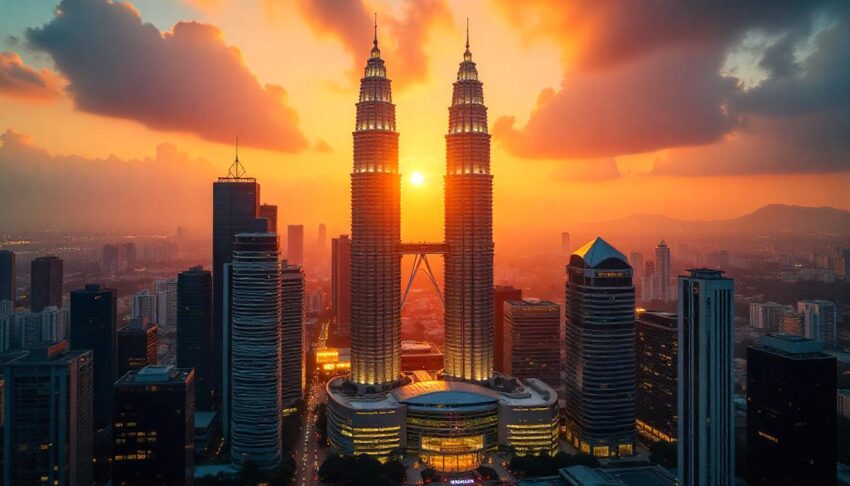
Kuala LumpurThe beating heart of Malaysia, KL combines modern skyscrapers with deep cultural heritage. The Petronas Twin Towers dominate the skyline, but the real charm lies in its mix of street food, vibrant markets, and multicultural neighborhoods like Brickfields and Chinatown. In 2025, KL is booming with hotel openings and packed with travelers from China and India taking advantage of visa-free entry.
PenangGeorge Town, Penang’s colonial capital, is a paradise for culture lovers. From art-lined streets to heritage buildings and legendary hawker stalls, the city continues to attract tourists who want a deeper, slower experience beyond city life.
LangkawiMalaysia’s crown jewel for island lovers, Langkawi is packed in 2025. White-sand beaches, jungle treks, and duty-free shopping are drawing record numbers. With upgraded airports and more direct international flights, it's now more accessible than ever.
Kota KinabaluOn the island of Borneo, KK is fast emerging as a nature-based tourism hub. Rich in biodiversity, diving, and rainforest escapes, it's a must for eco-conscious travelers.
you may also like






travel
- by foxnews
- descember 09, 2016
Tourist takes forbidden plunge at iconic landmark as visitors watch, stunned
A tourist from New Zealand allegedly jumped into Rome's iconic Trevi Fountain, then began swimming - drawing widespread backlash and a reported fine of almost $600.
read more