RFK Jr defends Trump move to protect pesticide he tied to 'chronic disease epidemic'
Health Secretary Robert F. Kennedy Jr. is defending Trump's order to protect a glyphosate precursor, even though he once tied the herbicide to chronic disease and vowed to curb its exposure.
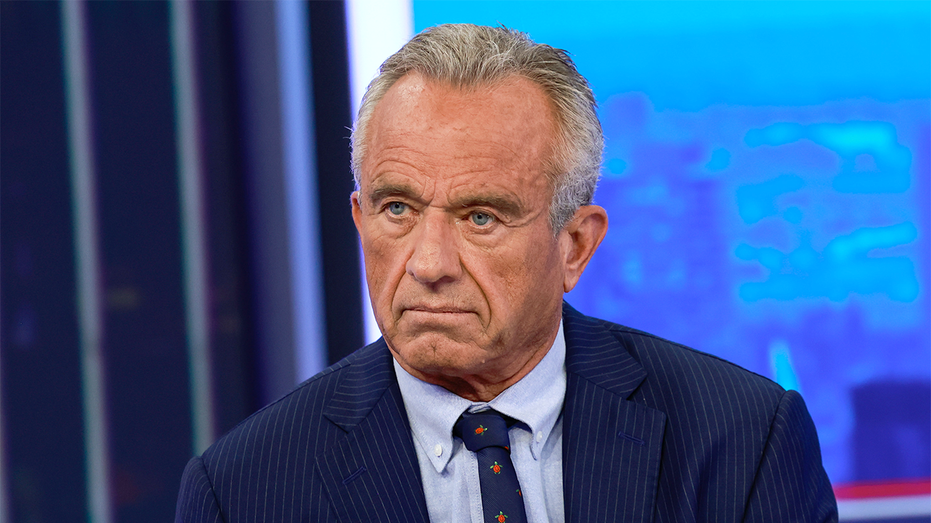
Citing national defense imperatives, Trump passed an executive order earlier this week to protect a precursor element used in the production of an herbicide known as glyphosate. Trump's executive order described glyphosate-based herbicides as "a cornerstone" of the United States' agricultural productivity.
"The herbicide Glyphosate is one of the likely culprits in America's chronic disease epidemic. Much more widely used here than in Europe. Shockingly, much of our exposure comes from its use as a desiccant on wheat, not as an herbicide. From there it goes straight into our bodies," RFK Jr. said in 2024 while running for president. "MY USDA will ban that practice."
"Some studies have raised concerns about possible links between some of these products and adverse health outcomes, especially in children, but human studies are limited," the report said. "For example, a selection of research studies on a herbicide (glyphosate) have noted a range of possible health effects, ranging from reproductive and developmental disorders as well as cancers, liver inflammation and metabolic disturbances."
Trump's executive order was immediately praised by agriculture industry leaders, but MAHA loyalists were sharply critical.
"This move betrays the very MAHA voters who put this administration in power," Kelly Ryerson, co-executive director of American Regeneration and a leading grassroots voice within MAHA, said in a statement. "It stands in direct opposition to the President's original promise to address the contribution of pesticides to chronic disease."
"It feels like MAHA is going through a breakup, or just found out our husband was having an affair," she told the Wall Street Journal.
When reached for comment, RFK Jr. said Trump's directive on glyphosate "puts America first where it matters most," citing the nation's defense readiness and food supply.
"We must safeguard America's national security first, because all of our priorities depend on it," he said in a statement to Fox News Digital. "When hostile actors control critical inputs, they weaken our security. By expanding domestic production, we close that gap and protect American families."