- by foxnews
- 25 Sep 2026
Presley Gerber's death sparks questions about overdose, withdrawal and rehab safety
Presley Gerber, Cindy Crawford's son, died at a California rehab facility at 27, raising urgent questions about overdose risk, withdrawal dangers and addiction recovery.

Presley Gerber's death at age 27 has renewed questions about overdose risk, withdrawal complications and the challenges of addiction recovery.
Presley's death was confirmed by his mother's representative to Fox News Digital, who shared a statement from the family: "The family is asking for privacy during this very difficult and painful time."
The Los Angeles County Medical Examiner's Office later confirmed that an autopsy had been completed, but the cause of death remained undetermined pending further testing.
Possible explanations could include an acute medical or cardiac event, an undiagnosed condition or a medication-related complication, he said.
"Younger people can sometimes die suddenly, and we don't know whether they had an underlying medical issue," Kardaris said.
Entering treatment does not necessarily mean that a person's issues have been resolved or that no danger exists, Kardaris emphasized.
"People are in rehab because they're struggling with addiction. It doesn't mean they're cured of their addiction," he said.
"Facilities take great pains to make sure substances don't come in, but it's not a perfect system."
He stressed that this is a general observation about treatment settings and not an indication of what occurred in Gerber's case.
While opioid withdrawal can be extremely uncomfortable, it is generally not fatal by itself, the expert said.
"Someone might disclose heroin use but not mention that they're also withdrawing from a benzodiazepine, such as Valium," Kardaris noted. "If they don't receive medication to treat that withdrawal, they can have a seizure that can lead to fatal complications."
"If someone relapses after rehab, they may use the same amount they were using before treatment - but their tolerance has gone down, and that amount can now be fatal."
Although it has been studied experimentally as a possible treatment for opioid use disorder, its safety and effectiveness remain uncertain. Kardaris grouped ibogaine with other psychedelic or psychoactive substances that have drawn public interest.
Ketamine is FDA-approved as an anesthetic but is not approved to treat psychiatric disorders, although some clinicians use it off-label in mental health settings.
Overall, Kardaris described the field as unsettled. "It's a bit of the Wild West right now."
He emphasized, however, that Gerber's prior ibogaine treatment does not establish which substances he may have used and should not be interpreted as evidence of what caused his death.
Families should investigate a treatment center and make sure it is licensed before enrolling a loved one, Kardaris advised.
That includes confirming that qualified medical professionals are involved in patient care and that the facility has appropriate protocols for withdrawal, medication management and emergencies.
"There are bad actors in every profession - so families should look for a well-regarded treatment program with qualified people who know what they're doing."
you may also like


- by foxnews
- 25 Sep 2026
Rogan warns of youth support for communism as comic Yakov Smirnoff recalls escape from USSR
travel
- by foxnews
- descember 09, 2016
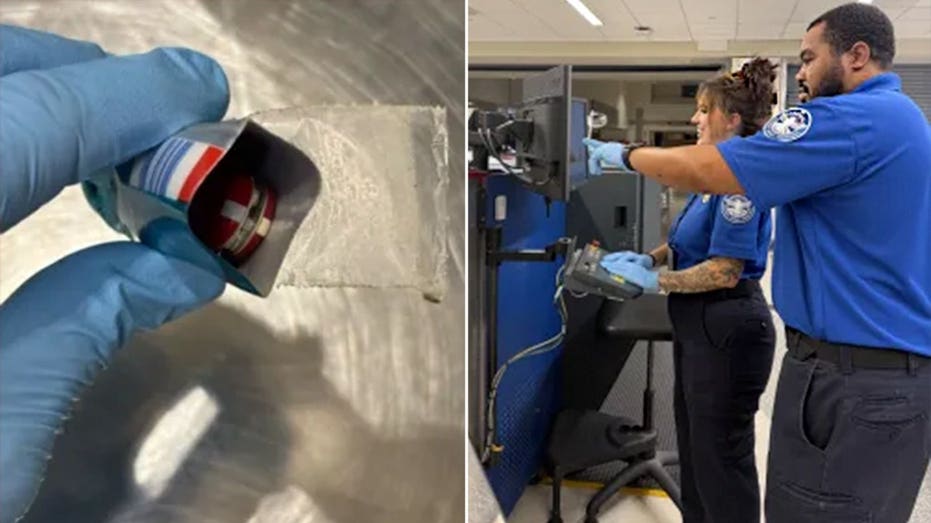
Sharp weapon discovered by TSA tucked inside unusual item in passenger's carry-on bag
A pocketknife hidden inside a flight passenger's toothpaste tube in a bag was flagged during X-ray screening at Dallas Love Field after a TSA officer spotted a metal object.
read more