- by foxnews
- 21 Mar 2026
Most talked-about diet trends of 2025 - and how they reshaped Americans' eating habits
The most popular diet trends of 2025 included the Mediterranean diet, keto diet, high-protein eating and the carnivore diet. Experts shared guidance on the risks and benefits of each.
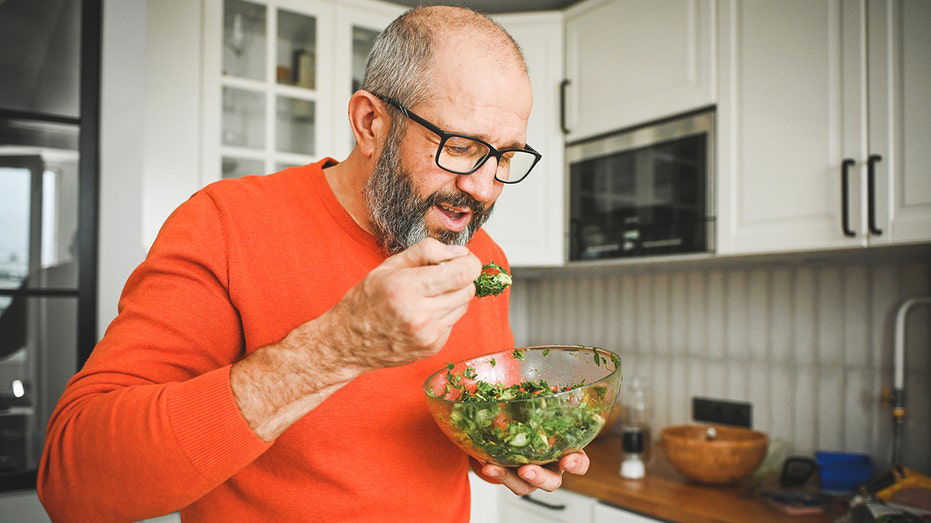
More people turned to influencers for food advice, plus medications like Ozempic and Wegovy became mainstream - all shifting our eating habits in one way or another.
The year's biggest diet trends ranged from time-tested plans like the Mediterranean diet to more controversial approaches such as carnivore eating.
Whether any of these diets are right for you depends, of course, on your own health particulars as well as the wisest medical guidance.
"Olive oil, nuts and whole grains are healthy yet calorie dense, so overeating may limit weight-loss goals if portions aren't balanced."
Originally developed to treat epilepsy, keto forces the body to burn fat for fuel by limiting carbs to about 5-10% of daily calories. Fat typically accounts for 70-80% of calorie intake.
Jessica Mack, a New York-based wellness expert and former occupational therapist, said keto can help with blood sugar control and appetite suppression - but comes with drawbacks.
Poorly planned keto diets can also lack fiber and key nutrients like B vitamins, magnesium and potassium.
Overall, keto may work short-term for some people, but it's not "inherently superior" to balanced eating plans, Mack said.
Weight-loss drugs known as glucagon-like peptide-1 receptor agonists (GLP-1s) have reshaped how many Americans eat.
Because these medications slow digestion and suppress appetite, patients are often advised to avoid fried foods, sugary drinks and heavily processed snacks.
Marvasti told Fox News Digital that GLP-1 patients should avoid heavy cream sauces and greasy meats, as those can worsen nausea and reflux.
"Low-protein diets can accelerate muscle loss, especially during rapid weight loss, so getting enough protein is essential," he said, emphasizing that "small portions, steady protein and fewer ultra-processed foods (UPFs) are key."
A general guideline, Marvasti said, is to fill half the plate with vegetables - plus one-quarter with lean protein and one-quarter with whole grains and a small amount of healthy fat.
Protein took center stage in 2025, with Americans loading up on lean meats, protein shakes, tofu, tempeh, Greek yogurt and cottage cheese.
Protein supports muscle preservation, metabolism and satiety, Mack said - but warned it's become "a buzzword instead of a strategy."
"The problem isn't protein itself, but the misconception that more is always better," she said. "When protein crowds out fiber, gut health and cholesterol are usually the first to suffer."
A more sustainable approach is a protein-forward diet that prioritizes balance, quality and individual needs "rather than extremes," she said.
This approach eliminates plant foods entirely, focusing on meat, fish, eggs, animal fats and occasional dairy.
Fruits, vegetables, grains and sweets are off-limits.
The diet, Mack said, "eliminates fiber-rich foods that play a key role in gut health, hormone balance and cholesterol regulation," resulting in rapid weight loss - largely because people stop eating UPFs.
you may also like


- by foxnews
- 21 Mar 2026
HBO medical drama targets ICE in controversial new hospital storyline

- by foxnews
- 21 Mar 2026
Kentucky survives Santa Clara in overtime thriller after Otega Oweh's miracle buzzer-beater

travel
- by foxnews
- descember 09, 2016
Major city hikes hotel tax to nearly 20% as tourism bosses eye future events
Chicago has raised the tourist tax on downtown hotels to 19% to boost tourism marketing efforts. A new district will fund Choose Chicago campaigns and events.
read more